
Difficult People Genius
“But maybe they will change.”
“They seem to be doing a little better.”
“Maybe I’m being too hard on them.”
“They had a rough childhood.”
“Maybe they’ll gain insight now.”
“Maybe it’s me.”

The primary roadblock to identifying and dealing with difficult people is the tendency to want people to be who we wish they would be. Thus, in the face of contradictory evidence (bad conversations, behavior that causes us to question them, history), it is easy to say:
While all of these “maybes” are technically true, one can hear the doubt threading through the above statements. And THAT is the biggest indicator that you may be dealing with a difficult person.
You question them, but somehow they make you doubt yourself.
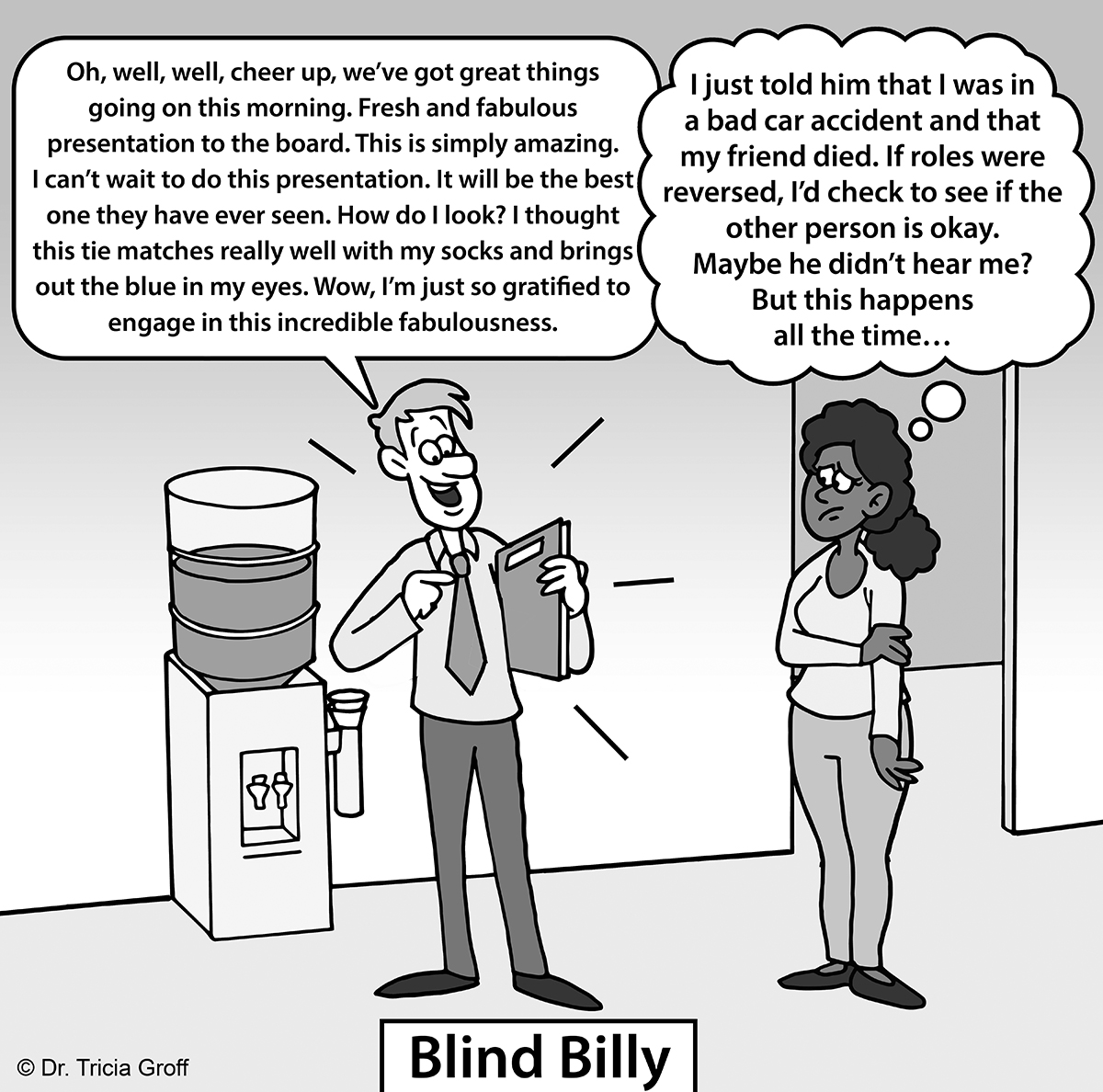
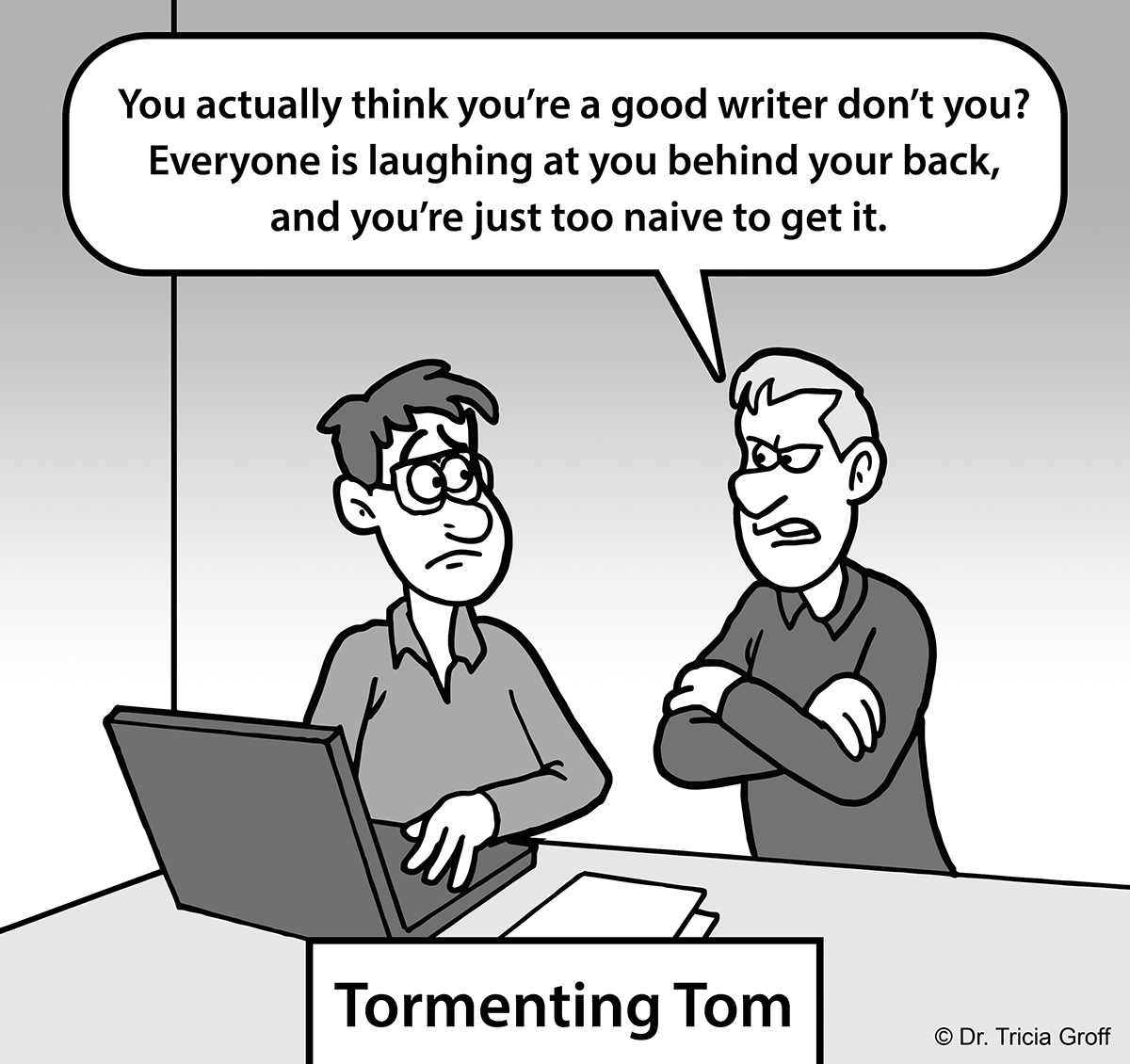
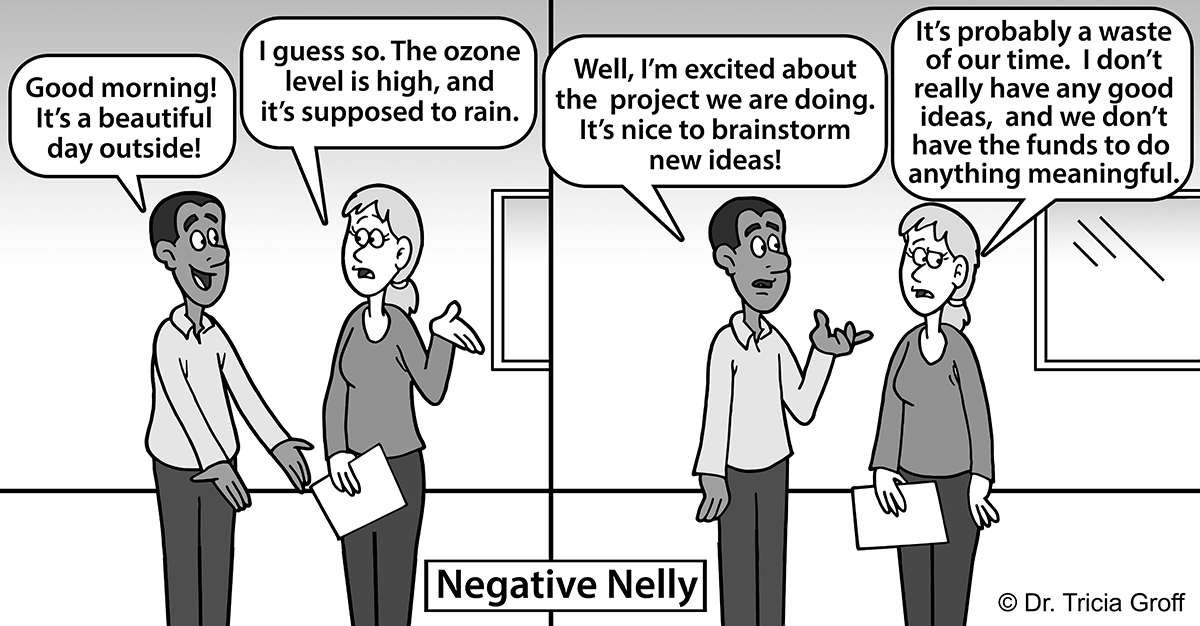
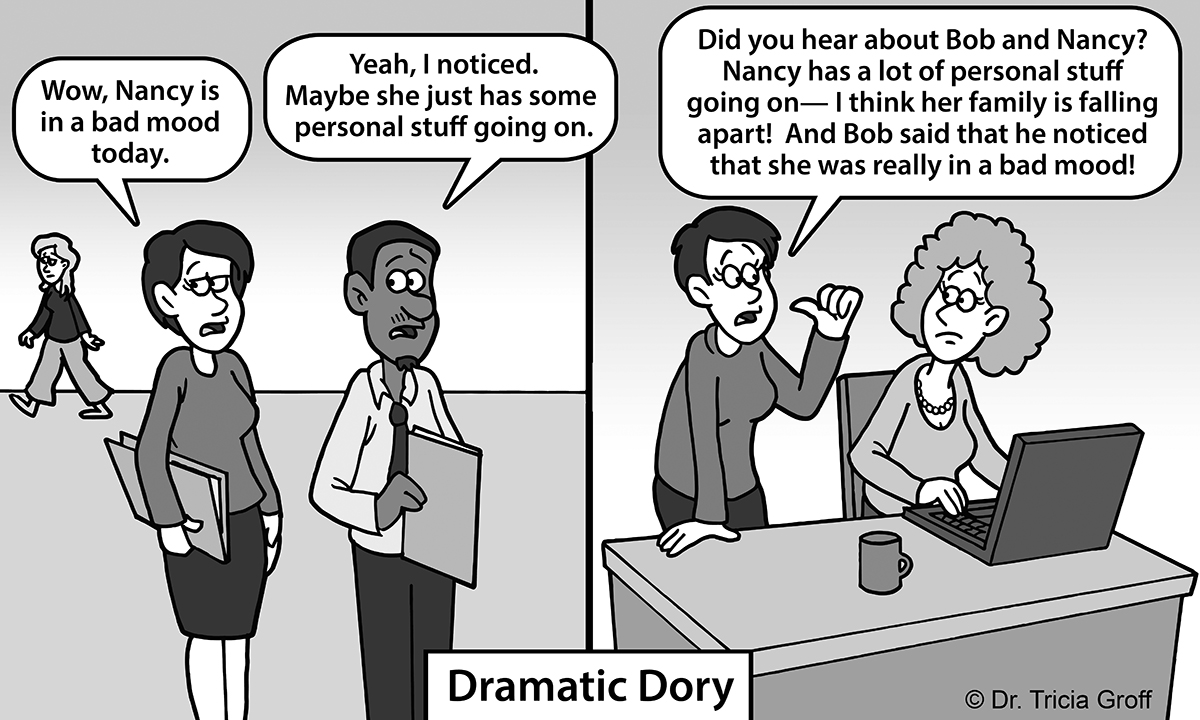
You cannot have a rational conversation with an irrational person.
If you are a person who pursues excellence, you likely try to communicate well. You’ve learned to get better at approaching conflict, to state your thoughts and emotions, and to seek to understand.
While this approach is a winning one for your healthy relationships, it puts you in harm’s way with difficult people. Your words and honesty can be twisted against you, opening you up to further difficulty.
If you are a person who pursues excellence, you also try to approach difficult conversations from a rational and logical perspective. In fact, you often think, “how would I want to be approached?” and then move forward.
The problem with difficult people is that they tend to be reactive and are unable to approach situations in an even-handed and fair manner. Thus, your efforts to have a rational conversation will likely fail.
Soooooo, then what?
As soon as you have the insight that the person with whom you are dealing is likely difficult, change your strategy. If you are able, look at the Toxic Games section of the Relational Genius book for an extensive roadmap. However if you hate reading or don’t have access to the book, start by paying attention to what seems to oxygenate the other person’s bad behavior. Then try to use a different approach than you normally would. Regardless of the type of difficult person, always refrain from giving additional information to vindicate or defend yourself. In all cases, this oxygenates the other person’s poor behavior.